
Home / Services / General Dentistry / Tooth Extractions
Tooth Extractions
Get relief from damaged, decayed, or problematic teeth with professional tooth extraction services focused on your comfort and oral health.

Gentle Tooth Extractions for a Healthier Smile
When a tooth is severely damaged, decayed, or infected, extraction may be necessary to protect your oral health. At Most Dental in Las Vegas, NV, we focus on providing careful, personalized dental care to help you feel comfortable throughout your treatment. Our goal is always to preserve your natural teeth whenever possible and recommend extraction only when it is the appropriate option.
Whether you are experiencing tooth pain or have been advised to remove a damaged tooth, our team can evaluate your condition and help you understand your treatment options.
Types of Tooth Extractions
The type of extraction you need depends on the condition, position, and accessibility of the tooth.
1. Comprehensive Dental Examination
A simple extraction is generally performed when the tooth is visible above the gumline and can be removed without surgery. The area is numbed with local anesthesia to help minimize discomfort during the procedure.
Surgical Tooth Extraction
Surgical extraction may be necessary when a tooth is broken near the gumline, impacted, or difficult to access. The procedure may involve a small incision in the gum tissue or sectioning the tooth to facilitate removal. More complex cases may require referral to an oral surgeon.

When Is a Tooth Extraction Necessary?
Although preserving natural teeth is always a priority, some dental conditions may require extraction to prevent further complications.
Common reasons for tooth extraction include:
- Severe Tooth Decay: When decay has damaged a tooth beyond predictable repair.
- Advanced Gum Disease: When the supporting bone and gum tissues can no longer maintain a stable tooth.
- Cracked or Broken Teeth: When damage extends too deeply for restorative treatment.
- Dental Infection: When a tooth cannot be successfully treated with procedures such as root canal therapy.
- Overcrowding: When tooth removal is recommended as part of an orthodontic treatment plan.
- Problematic Wisdom Teeth: When wisdom teeth cause pain, infection, or other dental complications.
Your dentist will examine the affected tooth and determine whether extraction or another treatment is best for your oral health.
What to Expect During a Tooth Extraction
Understanding the process can help you feel more prepared for your appointment. Your treatment may include the following steps:
Dental Examination
Your dentist evaluates the affected tooth, reviews your dental history, and may take X-rays to assess the roots and surrounding structures.
Local Anesthesia
Local anesthesia is typically used to numb the treatment area and help you remain comfortable during the extraction.
Tooth Removal
Depending on the type of extraction, your dentist carefully loosens and removes the tooth using appropriate dental instruments or a surgical technique.
Post-Treatment Care
After the extraction, you will receive instructions on protecting the extraction site, managing discomfort, and supporting proper healing.

What Happens After a Tooth Is Removed?
After an extraction, your dentist may discuss whether replacing the missing tooth would benefit your oral health and function. Depending on your needs, options may include dental implants, bridges, or dentures.
Replacing a missing tooth can help restore chewing function and appearance. Your dentist can explain the available options, appropriate timing, and any additional treatment that may be needed.
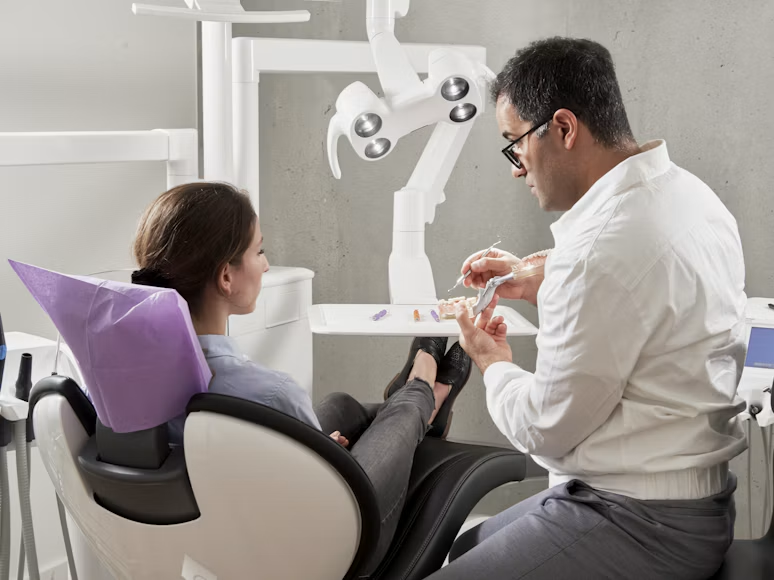
Comfortable, Personalized Dental Care
We understand that the thought of having a tooth removed can feel stressful. At Most Dental, we aim to make your experience as comfortable as possible by explaining the procedure, addressing your concerns, and helping you understand each step of your treatment.
Our approach focuses on your individual dental needs, clear communication, and appropriate treatment planning.
Schedule Your Tooth Extraction Consultation in Las Vegas, NV
Don’t ignore persistent tooth pain, swelling, or damage. An examination can help determine the cause of your symptoms and whether a tooth extraction or another treatment is appropriate.
Contact Most Dental in Las Vegas, NV, to discuss your concerns and schedule an appointment.
Frequently Asked Questions
Is a tooth extraction painful?
Local anesthesia helps numb the treatment area during extraction. You may feel pressure during the procedure, and some soreness afterward is common. Your dentist will provide guidance on managing discomfort during recovery.
How long does it take to recover from a tooth extraction?
Initial healing typically takes several days, but complete healing of the extraction site can take several weeks or longer, depending on the complexity of the procedure and your individual healing process.
What can I eat after a tooth extraction?
Choose soft foods such as yogurt, mashed potatoes, scrambled eggs, and lukewarm soup during the initial recovery period. Avoid hard, crunchy, or very hot foods until your dentist advises that you can resume your usual diet.
Can a damaged tooth be saved instead of extracted?
In some cases, yes. Treatments such as dental fillings, crowns, or root canal therapy may preserve a damaged tooth. Your dentist will evaluate its condition and recommend extraction only when appropriate.
When should I contact my dentist after an extraction?
Contact your dentist if you experience persistent bleeding, worsening pain, increasing swelling, fever, or other concerning symptoms. Difficulty breathing or swallowing requires urgent medical attention.
Do I need to replace a missing tooth after extraction?
Not every extracted tooth needs replacement, but replacing a missing tooth may help maintain chewing function, appearance, and bite alignment. Your dentist can discuss the most suitable options for your situation.
Can I return to normal activities after a tooth extraction?
Many patients can resume light activities within a day, but strenuous exercise should generally be avoided during the initial recovery period. Follow your dentist’s specific instructions based on the complexity of your procedure.
Putting Your Smile First
Request Your Next Visit Today
Join our dental family and experience the Most Dental difference.
Call Now
(702) 871-0304